Время публикации:2025-11-29 04:01:10
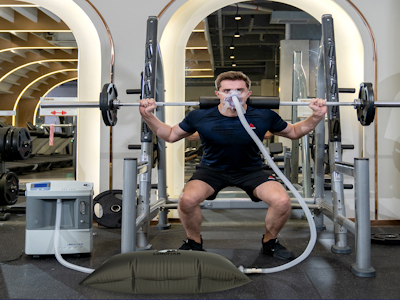
В современном мире промышленность сталкивается с беспрецедентными вызовами: рост спроса на продукцию, ужесточение экологических норм и необходимость повышения эффективности. В этом контексте промышленные кислородные установки emerge как ключевая технология, способная кардинально изменить производственные процессы. Эти установки, предназначенные для генерации кислорода высокой чистоты на месте, не просто улучшают существующие методы, но и открывают новые горизонты для инноваций. В данной статье мы подробно рассмотрим, как промышленные кислородные установки становятся движущей силой революции в производстве, анализируя их принципы работы, приложения, преимущества и будущие тенденции.
Промышленные кислородные установки — это специализированные системы, которые производят кислород из атмосферного воздуха с помощью различных технологий, таких как адсорбция при переменном давлении (PSA), мембранное разделение или криогенная дистилляция. В отличие от традиционных методов поставки кислорода в баллонах или в жидком виде, эти установки позволяют предприятиям генерировать кислород непосредственно на месте, что устраняет зависимость от внешних поставщиков и снижает логистические издержки. Кислород, производимый такими установками, typically имеет чистоту от 90% to 99.5%, что делает его пригодным для широкого спектра промышленных применений, от металлургии и химической промышленности до медицины и экологии.
Использование кислорода в промышленности dates back to the early 20th century, но лишь в последние десятилетия технологии его производства достигли уровня, позволяющего говорить о революции. Первоначально кислород получали primarily through electrolysis or cryogenic methods, которые были энергоемкими и дорогостоящими. Прорыв произошел с развитием адсорбционных технологий в 1970-х годах, которые сделали on-site generation более доступным. С тех пор непрерывные инновации в материалах (e.g., цеолиты для PSA) и автоматизации привели к созданию компактных, efficient, и reliable установок. Сегодня промышленные кислородные установки integrated with IoT и AI для оптимизации процессов, что further усиливает их революционный потенциал.
Существует несколько основных технологий, используемых в промышленных кислородных установках, каждая со своими преимуществами и ограничениями. Адсорбция при переменном давлении (PSA) является наиболее распространенной для applications requiring oxygen purity up to 95%. Она использует адсорбенты, such as zeolites, to separate oxygen from nitrogen under cycling pressure conditions. Криогенная дистилляция, though more energy-intensive, produces oxygen with purity exceeding 99.5% by liquefying air and separating components based on boiling points. Мембранное разделение, a newer technology, employs semi-permeable membranes to selectively allow oxygen passage, offering simplicity and lower costs for moderate purity needs. Выбор технологии depends on factors like required purity, flow rate, and energy availability, but все они contribute to the revolution by enabling decentralized oxygen production.
Промышленные кислородные установки находят применение в myriad sectors, dramatically enhancing efficiency and sustainability. In металлургии, oxygen is used in blast furnaces and converters to intensify combustion, reduce fuel consumption, and lower emissions—for example, in steel production, oxygen enrichment can increase output by up to 30%. В химической промышленности, кислород serves as an oxidizer in processes like ethylene production or wastewater treatment, improving reaction rates and reducing waste. В медицине, on-site oxygen generation ensures a reliable supply for hospitals, critical in emergencies. Additionally, в экологии, oxygen is used in aerobic digestion and pollution control, helping industries meet stringent environmental standards. These applications underscore how oxygen установки are transforming production paradigms across the board.
Внедрение промышленных кислородных установок offers numerous advantages that justify their revolutionary status. Firstly, экономия затрат: eliminated are the expenses associated with oxygen delivery, storage, and handling of cylinders or liquid oxygen, leading to savings of up to 50% in some cases. Secondly, повышенная надежность: on-site generation ensures a continuous supply, reducing downtime risks from supply chain disruptions. Thirdly, экологичность: by optimizing oxygen use, enterprises can lower their carbon footprint—e.g., in combustion processes, precise oxygen control reduces NOx emissions. Fourthly, безопасность: reduced handling of high-pressure cylinders minimizes accident risks. Finally, scalability and flexibility: установки can be tailored to specific needs, allowing for easy expansion as production grows. These benefits collectively enhance competitiveness and sustainability.
Революционный impact промышленных кислородных установок extends to environmental stewardship. By enabling more efficient oxygen use, они help industries comply with increasingly strict regulations on emissions and resource consumption. For instance, in power generation, oxygen-enhanced combustion can reduce greenhouse gas emissions by improving fuel efficiency. Moreover, the shift to on-site generation reduces transportation-related emissions from oxygen delivery vehicles. технология также supports circular economy principles—e.g., oxygen is used in recycling processes to recover metals from scrap. However, it is important to address the energy consumption of oxygen production; advancements in energy-efficient designs and integration with renewable energy sources are making these установки even greener, aligning with global sustainability goals like the Paris Agreement.
Несмотря на преимущества, внедрение промышленных кислородных установок faces technical challenges that require innovative solutions. Одной из основных проблем является energy consumption, particularly for high-purity oxygen production via cryogenic methods. To mitigate this, companies are developing hybrid systems that combine technologies or use waste heat recovery. Другой вызов — maintenance and reliability: filters and adsorbents need regular replacement, but predictive maintenance using sensors and AI can prevent failures. Additionally, initial investment costs can be high, though decreasing over time due to technological advancements and economies of scale. Education and training for operators are crucial to maximize efficiency. By addressing these challenges through R&D and best practices, the industry is ensuring that кислородные установки remain a viable and revolutionary tool.
С экономической точки зрения, инвестиции в промышленные кислородные установки often yield a strong return on investment (ROI). The payback period typically ranges from 1 to 3 years, depending on factors like oxygen consumption rates and local energy prices. For example, a medium-sized manufacturing plant might invest $500,000 in a PSA system but save $200,000 annually on oxygen costs, resulting in a ROI of 40% per year. Beyond direct savings, indirect benefits such as reduced downtime and improved product quality add value. Market analysis shows growing adoption in emerging economies, where industrial growth drives demand. Governments and financial institutions are offering incentives for green technologies, further boosting economic attractiveness. This economic viability is a key driver of the revolution, encouraging widespread adoption across industries.
Будущее промышленных кислородных установок promises even greater revolution through ongoing innovations. Ожидается, что интеграция с Industry 4.0 technologies, such as IoT and big data analytics, will enable real-time optimization and remote monitoring, enhancing efficiency and reducing operational costs. Разработка новых адсорбционных материалов может повысить чистоту кислорода и снизить энергопотребление. Additionally, the rise of hydrogen economy might see oxygen установки used in electrolysis for green hydrogen production, creating synergies. Miniaturization and modular designs will make these systems accessible to smaller enterprises. Furthermore, research into biological oxygen production methods could open new avenues. These trends indicate that кислородные установки will continue to evolve, solidifying their role as a cornerstone of modern industrial revolution.
Для предприятий, рассматривающих внедрение промышленных кислородных установок, several practical steps can ensure success. Во-первых, проведите тщательный аудит потребностей в кислороде, включая чистоту, flow rate, и режимы использования. Во-вторых, выберите подходящую технологию на основе технико-экономического обоснования—consult with experts to compare PSA, cryogenic, and membrane options. В-третьих, обеспечьте adequate infrastructure, such as power supply and space, and plan for maintenance. В-четвертых, обучайте персонал для безопасной и эффективной эксплуатации. В-пятых, мониторьте performance post-installation and continuously optimize. Сотрудничество с reputable suppliers and leveraging government incentives can smooth the transition. By following these guidelines, companies can fully harness the revolutionary potential of oxygen установки.
В заключение, промышленные кислородные установки представляют собой не просто технологическое усовершенствование, а genuine revolution in production. Они трансформируют то, как industries generate and utilize oxygen, driving efficiency, sustainability, and innovation. От металлургии до здравоохранения, эти системы обеспечивают tangible benefits that resonate across economic, environmental, and social dimensions. As technology advances, their impact will only grow, enabling a future where production is cleaner, smarter, and more resilient. предприятия, которые embrace this revolution today, will be well-positioned to lead in the competitive landscape of tomorrow. кислород, once a simple element, has become a catalyst for industrial progress, and кислородные установки are at the heart of this transformative journey.