Время публикации:2025-12-08 04:01:10
В современной медицинской практике кислородное оборудование играет ключевую роль, обеспечивая жизненно важную поддержку пациентам с различными заболеваниями дыхательной системы. От правильного выбора такого оборудования зависит не только эффективность лечения, но и безопасность как пациентов, так и медицинского персонала. В этой статье мы подробно рассмотрим, как подойти к выбору медицинского кислородного оборудования для профессионального использования, учитывая все нюансы и современные тенденции.
Медицинское кислородное оборудование включает в себя широкий спектр устройств, предназначенных для подачи, хранения и контроля кислорода. Оно используется в больницах, клиниках, домашних условиях и даже в экстренных ситуациях. Основная цель такого оборудования – обеспечить пациентам необходимое количество кислорода для поддержания нормальной жизнедеятельности, особенно при таких состояниях, как хроническая обструктивная болезнь легких (ХОБЛ), пневмония, COVID-19 или после операций.
История использования кислорода в медицине насчитывает более века. Первые устройства были простыми и громоздкими, но с развитием технологий оборудование стало более компактным, эффективным и удобным в использовании. Сегодня на рынке представлены различные типы кислородных концентраторов, баллонов, систем подачи и мониторинга, что делает выбор сложным, но чрезвычайно важным.
В профессиональной практике важно не только выбрать подходящее оборудование, но и обеспечить его правильное обслуживание и соответствие международным стандартам. Это включает в себя регулярную калибровку, очистку и замену компонентов, чтобы избежать рисков для здоровья.
Перед тем как углубиться в критерии выбора, давайте рассмотрим основные типы медицинского кислородного оборудования, доступные на рынке.
Кислородные концентраторы – это устройства, которые извлекают кислород из окружающего воздуха, концентрируя его до высоких уровней (обычно 90-95%). Они работают от электросети или батарей и идеально подходят для стационарного или домашнего использования. Преимущества включают непрерывную подачу кислорода без необходимости заправки, но они могут быть шумными и требовать регулярного обслуживания фильтров.
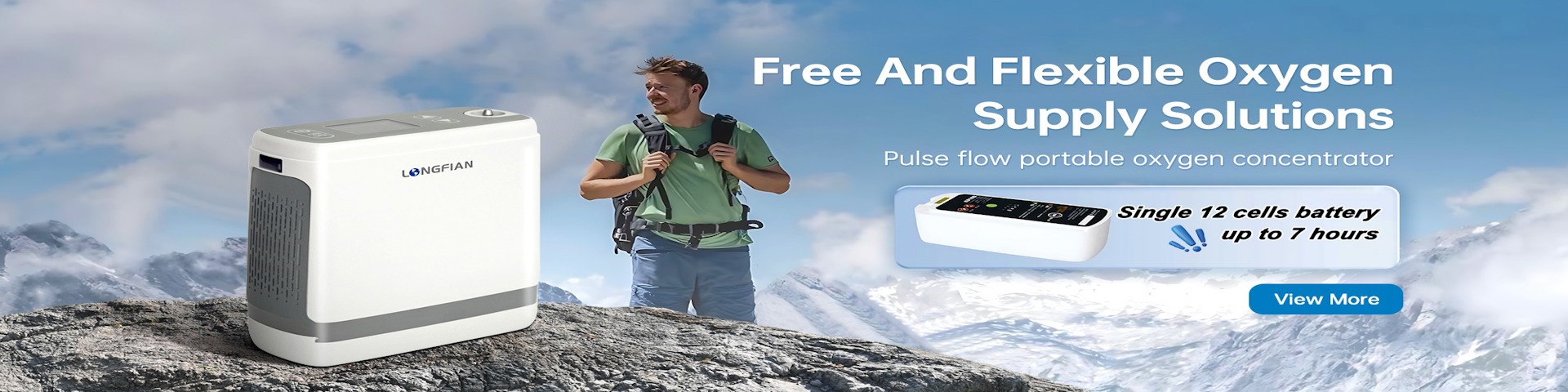
Существуют портативные концентраторы для мобильных пациентов, которые легче и компактнее, но с ограниченной производительностью. При выборе концентратора важно учитывать его выходную производительность (литры в минуту), уровень шума и энергопотребление.
Кислородные баллоны – это традиционный метод хранения и подачи сжатого кислорода. Они бывают различных размеров, от небольших портативных баллонов для экстренного использования до крупных стационарных систем. Баллоны требуют регулярной заправки и проверки давления, но они надежны и подходят для ситуаций, где нет доступа к электричеству.
Недостатки включают риск утечек и необходимость строгого соблюдения правил безопасности при хранении и транспортировке. Для профессиональной практики часто используются системы с несколькими баллонами, подключенными к централизованной подаче, что обеспечивает бесперебойное снабжение.
Жидкостные кислородные системы хранят кислород в жидкой форме при очень низких температурах. Они более компактны, чем газовые баллоны, и могут обеспечивать кислородом в течение длительного времени. Однако они требуют специализированного оборудования для хранения и handling, а также могут быть дороже в эксплуатации due to evaporation losses.
These systems are often used in hospitals for bulk storage and are suitable for high-flow applications. When choosing, consider the capacity, evaporation rate, and compatibility with existing infrastructure.
Помимо основных устройств, важно выбрать правильные системы подачи, такие как nasal cannulas, masks, ventilators, and flow meters. These accessories ensure that oxygen is delivered efficiently and comfortably to the patient. For professional practice, opt for devices with adjustable settings, compatibility with various patient needs, and ease of sterilization.
Additionally, modern equipment often includes digital interfaces for monitoring oxygen levels, flow rates, and alarms for safety. Integration with electronic health records (EHR) can streamline patient care and data management.
Выбор медицинского кислородного оборудования должен основываться на нескольких ключевых факторах, чтобы обеспечить оптимальную производительность и безопасность.
Одним из最重要的 критериев является производительность оборудования, измеряемая в литрах в минуту (LPM). Для разных пациентов и состояний требуются разные уровни потока. Например, patients with mild respiratory issues may need 2-4 LPM, while those in critical care might require up to 15 LPM or more.
Ensure that the equipment can deliver the required flow consistently without fluctuations. Check the specifications for maximum flow rate and whether it can be adjusted precisely. For concentrators, verify the oxygen purity levels at different flow settings.
Надежность оборудования критически важна в медицинской практике. Выбирайте устройства от reputable manufacturers with a track record of quality and safety certifications, such as ISO 13485 or FDA approvals. Look for features like built-in alarms for low oxygen, power failures, or leaks.
Safety aspects include explosion-proof designs for oxygen systems, as oxygen supports combustion. Ensure that equipment has passed rigorous testing for electrical safety, mechanical durability, and biocompatibility of materials that contact patients.
Оборудование должно быть intuitive to use for medical staff, with clear controls and displays. Consider the training requirements and whether the device comes with user manuals or support services. Maintenance is another key factor – opt for equipment with easy-to-replace filters, minimal downtime for servicing, and availability of spare parts.
For mobile applications, weight and portability are important. Portable concentrators should be lightweight, have long battery life, and be easy to carry. In stationary settings, size and noise level might be more critical to avoid disturbing patients.
Initial cost is important, but also consider the total cost of ownership, including maintenance, energy consumption, and consumables like filters or oxygen refills. Compare different models and brands to find the best value. Leasing options or bulk purchases might offer savings for large facilities.
Additionally, check for warranties and after-sales support. A longer warranty period can indicate confidence in the product's durability. Factor in potential savings from reduced hospital stays or improved patient outcomes due to reliable equipment.
Ensure that the oxygen equipment is compatible with other medical devices in your practice, such as ventilators or monitoring systems. interoperability can enhance efficiency and reduce errors. For example, choose equipment that supports standard connectors and protocols for data exchange.
If integrating with hospital systems, verify compliance with health data standards like HL7 or DICOM. This is especially important for telemedicine or remote monitoring applications, which are becoming increasingly common.
Based on the criteria above, here are some practical steps to guide your selection process.
Start by assessing the specific needs of your medical practice. Consider the types of patients you treat, the volume of oxygen usage, and the settings where equipment will be used (e.g., ICU, general ward, home care). Conduct a needs analysis to determine the required flow rates, duration of use, and mobility requirements.
Engage with clinical staff to get their input on usability and preferences. This can help identify potential issues before purchase and ensure that the equipment meets real-world demands.
Research available products from leading manufacturers such as Philips, Invacare, Linde Healthcare, and others. Read reviews, compare specifications, and attend medical exhibitions or webinars to see demonstrations. Use online tools or consult with medical equipment suppliers for personalized recommendations.
Create a comparison chart that includes key parameters like cost, performance, safety features, and user ratings. This visual aid can simplify decision-making and help you weigh pros and cons objectively.
Whenever possible, test the equipment before making a large purchase. Many suppliers offer trial periods or demo units. Use this opportunity to evaluate performance in your actual environment, check noise levels, ease of use, and reliability.
For larger implementations, consider a pilot project in one department before rolling out equipment facility-wide. This can reveal unforeseen challenges and allow for adjustments based on feedback.
Medical technology is evolving rapidly, with trends towards digitalization, IoT integration, and personalized medicine. Choose equipment that is future-proof, with options for software updates or connectivity features. Scalability is important if your practice plans to expand – select systems that can easily be upgraded or integrated with additional modules.
Also, consider environmental factors, such as energy efficiency or use of eco-friendly materials, as sustainability becomes increasingly important in healthcare.
Выбор медицинского кислородного оборудования для профессиональной практики – это сложный, но crucial процесс, требующий тщательного анализа и планирования. By understanding the types of equipment, key selection criteria, and practical steps, you can make informed decisions that enhance patient care, ensure safety, and optimize operational efficiency.
Remember to stay updated with industry standards and technological advancements. Investing in the right equipment not only improves outcomes but also builds trust with patients and staff. As the healthcare landscape continues to change, proactive equipment selection will be a cornerstone of successful medical practice.
В конечном счете, цель – обеспечить надежную и эффективную oxygen therapy that meets the highest standards of care. With the right approach, you can navigate the complexities of equipment choice and create a safer, more responsive healthcare environment.
Предыдущая статья: Почему ломается кислородный генератор и как избежать
Следующий пост: Надежность кислородного оборудования для вашей безопасности