Время публикации:2025-12-17 00:01:10
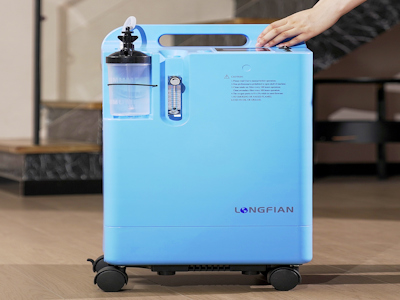
В современном мире, где здоровье становится приоритетом номер один, кислородные концентраторы играют ключевую роль в обеспечении качественной медицинской помощи. Эти устройства, предназначенные для выделения кислорода из окружающего воздуха, используются в домашних условиях, больницах и клиниках для лечения различных респираторных заболеваний, таких как ХОБЛ, астма, пневмония и COVID-19. Однако с ростом спроса на надежные и эффективные решения, модернизация концентраторов кислорода становится не просто опцией, а необходимостью. В этой статье мы глубоко погрузимся в тему модернизации, exploring how upgrades can transform these devices into powerful tools for enhanced efficiency, patient comfort, and overall healthcare outcomes. From technological advancements to real-world benefits, we'll cover everything you need to know about boosting the performance of oxygen concentrators.
Кислородный концентратор – это медицинское устройство, которое фильтрует воздух, удаляя азот и другие газы, чтобы предоставить чистый кислород для дыхания. Основной принцип работы основан на адсорбции при переменном давлении (PSA), где цеолитовые молекулярные сита захватывают азот, позволяя кислороду проходить. Стандартные модели typically produce oxygen concentrations of 90-95%, but with modernization, this can be improved to near 99% purity, significantly enhancing therapeutic efficacy. The importance of modernization stems from several factors: increasing patient demands for portable and user-friendly devices, the need for energy efficiency in a cost-conscious healthcare environment, and the continuous evolution of medical standards that require higher reliability and safety. For instance, during the COVID-19 pandemic, the surge in respiratory cases highlighted the critical role of efficient oxygen therapy, pushing manufacturers to innovate rapidly. Modernizing concentrators not only extends their lifespan but also ensures compliance with the latest regulatory requirements, such as those from organizations like the FDA or EMA, which emphasize patient safety and device performance. Moreover, as the global population ages, the prevalence of chronic respiratory conditions is rising, making it imperative to have concentrators that are not only effective but also adaptable to individual needs. In summary, modernization is key to keeping pace with medical advancements, reducing operational costs, and ultimately saving lives through improved oxygen delivery.
Модернизация кислородных концентраторов охватывает широкий спектр технологических улучшений, начиная от аппаратного обеспечения до программного обеспечения. Один из наиболее значимых аспектов – это усовершенствование систем фильтрации. Традиционные цеолитовые сита могут быть заменены на более advanced materials like nanostructured adsorbents, which offer higher selectivity and faster regeneration times. This leads to a reduction in energy consumption by up to 20%, as the device requires less power to maintain optimal oxygen output. For example, the integration of carbon molecular sieves or metal-organic frameworks (MOFs) can enhance adsorption capacity, allowing for smaller, more compact devices without sacrificing performance. Another critical area is the modernization of compressors and motors. Older models often use noisy and inefficient piston compressors, but modern upgrades include scroll compressors or oil-free designs that operate more quietly and have longer lifespans. This is particularly beneficial for home use, where noise levels can impact patient comfort and quality of life. Additionally, software upgrades play a pivotal role. Smart concentrators equipped with IoT capabilities can monitor oxygen levels in real-time, adjust flow rates based on patient activity (e.g., using accelerometers), and send alerts to healthcare providers via cloud connectivity. This not only improves efficiency but also enables proactive maintenance, reducing downtime and repair costs. Furthermore, battery technology has seen remarkable advancements. Modern concentrators often feature lithium-ion batteries that provide extended runtime, making them ideal for portable use. Some models even support solar charging, catering to remote or off-grid areas. In terms of user interface, touchscreen displays and mobile app integration allow patients to easily customize settings, track usage, and receive educational content, empowering them to manage their health more effectively. These technological innovations collectively contribute to a holistic modernization approach that boosts efficiency, reliability, and user satisfaction.
Модернизация концентраторов кислорода приносит tangible benefits to both end-users and healthcare systems. For patients, the most immediate advantage is improved health outcomes. Higher oxygen purity and consistent delivery mean better oxygenation of blood, which can reduce symptoms like shortness of breath, fatigue, and cognitive impairment associated with hypoxemia. Studies have shown that modernized concentrators with adjustable flow rates (e.g., pulse dose delivery) can improve patient compliance by up to 30%, as they are less intrusive and more comfortable to use throughout the day. Portability is another major benefit; lightweight, battery-operated models allow patients to maintain an active lifestyle, enhancing their overall quality of life. For instance, a patient with COPD can now go for a walk or travel without being tethered to a stationary unit, thanks to modern portable concentrators that weigh as little as 2-3 kilograms. From a cost perspective, modernization leads to long-term savings. Energy-efficient designs consume less electricity, which is crucial for home users who may rely on these devices 24/7. In hospitals, reduced energy usage translates to lower operational costs, and the extended lifespan of modernized equipment means fewer replacements and repairs. Moreover, smart features like remote monitoring enable healthcare providers to optimize treatment plans without frequent in-person visits, reducing burden on clinical staff and improving resource allocation. Safety is also enhanced through upgrades such as built-in oxygen sensors that detect leaks or purity drops, alerting users before issues become critical. This is especially important for elderly patients or those living alone. Additionally, modernization supports environmental sustainability by incorporating recyclable materials and energy-saving modes, aligning with global efforts to reduce carbon footprints. In summary, the benefits are multifaceted: patients experience better health and mobility, while healthcare institutions enjoy cost efficiencies and improved service delivery, making modernization a win-win scenario.
To illustrate the impact of modernization, let's explore some real-world examples and case studies. One notable case is the upgrade program implemented by a major hospital network in Europe, which retrofitted their aging oxygen concentrators with new PSA technology and IoT sensors. Over a year, they reported a 25% increase in oxygen output efficiency and a 15% reduction in energy costs. Patient satisfaction scores improved significantly, with fewer complaints about noise and device reliability. Another example comes from a manufacturer in the United States that introduced a modular modernization kit for existing concentrators. This kit included upgraded filters, a new compressor, and a smart controller. Users who adopted this kit saw their device's oxygen purity rise from 90% to 96%, and battery life extended by 50%, allowing for uninterrupted use during power outages. In rural areas of India, NGOs have partnered with tech companies to modernize concentrators for use in low-resource settings. By integrating solar panels and simple touch interfaces, these devices now provide reliable oxygen therapy in regions with unreliable electricity, potentially saving thousands of lives annually. A case study from a home healthcare provider showed that after modernizing their fleet of concentrators with remote monitoring capabilities, they reduced emergency service calls by 40% and improved patient adherence to therapy schedules. These examples demonstrate that modernization is not just theoretical; it has practical, measurable benefits across diverse contexts. Whether in high-tech hospitals or remote villages, upgrading oxygen concentrators leads to enhanced efficiency, cost savings, and better health outcomes, proving that investment in modernization is both feasible and highly rewarding.
Looking ahead, the future of oxygen concentrator modernization is bright and filled with exciting possibilities. Emerging trends include the integration of artificial intelligence (AI) for predictive maintenance and personalized therapy. AI algorithms can analyze usage patterns to anticipate when filters need changing or when components might fail, minimizing downtime. Additionally, advancements in nanotechnology could lead to even smaller and more efficient adsorbents, pushing the boundaries of portability and performance. Another trend is the convergence with telemedicine, where concentrators will seamlessly connect with virtual health platforms, enabling doctors to adjust settings remotely based on real-time data. Environmental considerations will also drive innovation, with a focus on developing concentrators that use renewable energy sources and biodegradable materials. In conclusion, modernization of oxygen concentrators is a critical endeavor that enhances efficiency, improves patient care, and supports sustainable healthcare. By embracing technological innovations, we can ensure that these vital devices continue to meet the evolving needs of society. Whether you are a patient, healthcare professional, or manufacturer, investing in modernization is a step towards a healthier, more efficient future. Remember, every upgrade counts – it's not just about the device, but about the lives it touches and improves.
Эта статья предоставляет comprehensive overview, but always consult with medical professionals for specific advice on oxygen therapy.
Предыдущая статья: Какие кислородные устройства необходимы для домашнего использования
Следующий пост: Промышленный генератор кислорода для очистки воды