Время публикации:2025-12-18 16:01:10
В современном мире, где загрязнение воздуха, респираторные заболевания и пандемии становятся все более распространенными, доступ к медицинскому кислороду имеет критическое значение. Устройства медицинского кислорода, такие как концентраторы, баллоны и системы подачи, превратились из нишевых медицинских инструментов в незаменимые средства спасения жизней. Эта статья углубляется в эволюцию, технологии и преобразующее воздействие этих устройств, подчеркивая, как они спасают миллионы людей ежегодно.
Кислородотерапия имеет богатую историю, восходящую к концу 18 века, когда ученые впервые открыли кислород и его жизненно важную роль в дыхании. Однако только в 20 веке медицинский кислород стал широко использоваться в клинической практике. Ранние устройства были громоздкими и неэффективными, часто ограничиваясь больничными условиями. Прорывы во время Второй мировой войны ускорили разработку портативных кислородных систем для лечения раненых солдат, заложив основу для современных инноваций.
В 1970-х годах появление кислородных концентраторов произвело революцию в области, позволив пациентам получать терапию на дому. Эти устройства используют технологию адсорбции при переменном давлении (PSA) для извлечения кислорода из воздуха, обеспечивая непрерывную подачу без необходимости частой замены баллонов. С тех пор advancements в материалах, электронике и миниатюризации привели к созданию сверхпортативных, эффективных и доступных устройств, которые сегодня спасают жизни в самых разных условиях — от больниц до удаленных деревень.
Современные устройства медицинского кислорода можно broadly разделить на несколько категорий, каждая со своими уникальными преимуществами и применениями.
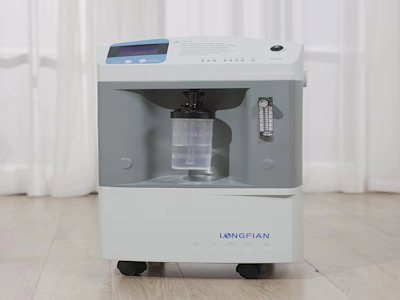
Кислородные концентраторы являются наиболее распространенным типом устройств для домашнего и клинического использования. Они работают, забирая воздух из окружающей среды, фильтруя азот и другие газы, и доставляя чистый кислород (обычно 90-95% чистоты) через nasal cannula или маску. Современные модели, такие как портативные концентраторы кислорода (POCs), легкие, бесшумные и энергоэффективные, что позволяет пациентам вести активный образ жизни. Например, устройства от брендов like Inogen и Philips Respironics предлагают функции like длительное время работы от батареи и интеллектуальные мониторы, обеспечивающие оптимальную терапию.
Кислородные баллоны, заполненные сжатым газообразным кислородом, remain популярными due to their high purity and reliability. Они идеальны для emergency situations, полевой медицины, и случаев, где электричество недоступно. Advances в materials science привели к созданию легких, композитных баллонов, которые easier to transport and store. Additionally, системы с жидким кислородом (LOX) offer higher capacity but require specialized handling, making them suitable for hospitals and long-term care facilities.
Для масштабных применений, such as in hospitals or during pandemics, кислородные генераторы and centralized systems provide a continuous supply. These systems often use pressure swing adsorption (PSA) or membrane technology to produce oxygen on-site, reducing dependency on external suppliers. During the COVID-19 pandemic, such devices proved invaluable in addressing oxygen shortages, saving countless lives in overwhelmed healthcare systems.
Innovation has led to the development of wearable oxygen devices, such as oxygen-conserving devices (OCDs) that deliver pulsed doses based on the patient's breathing pattern, maximizing efficiency and extending battery life. These are particularly beneficial for patients with chronic conditions like COPD, enabling them to maintain mobility and independence.
Современные кислородные устройства оснащены передовыми технологиями, которые повышают их эффективность, безопасность и удобство использования.
Многие устройства теперь включают smart sensors that monitor oxygen saturation levels, flow rates, and battery status. Integration with Internet of Things (IoT) allows for remote monitoring by healthcare providers, enabling timely interventions and personalized therapy adjustments. For instance, mobile apps can alert doctors if a patient's oxygen levels drop below safe thresholds, potentially preventing emergencies.
Advances in battery technology, such as lithium-ion batteries, have extended the runtime of portable devices, making them suitable for travel and outdoor activities. Moreover, efforts towards sustainability include devices with lower energy consumption and recyclable materials, reducing the environmental impact of medical oxygen production.
Устройства стали smaller, lighter, and more user-friendly, with ergonomic designs that enhance comfort during prolonged use. This is crucial for pediatric and elderly patients, who may have difficulty handling bulky equipment.
Медицинский кислород is essential for treating a wide range of conditions, and modern devices have expanded access to therapy, saving lives in numerous scenarios.
Patients with chronic obstructive pulmonary disease (COPD), asthma, pulmonary fibrosis, and other respiratory disorders rely on oxygen therapy to improve oxygenation, reduce symptoms like shortness of breath, and enhance quality of life. Studies show that consistent use of oxygen devices can slow disease progression and reduce hospitalization rates.
In emergencies, such as heart attacks, strokes, or trauma, supplemental oxygen is a first-line treatment to stabilize patients. Portable oxygen devices are vital in ambulances, disaster relief efforts, and remote areas where immediate medical care is limited. During the COVID-19 pandemic, oxygen therapy became a cornerstone of treatment, with devices like concentrators saving millions from respiratory failure.
Infants and children with conditions like bronchopulmonary dysplasia or pneumonia often require precise oxygen delivery. Modern devices offer adjustable flow rates and humidification features to ensure safe and effective therapy for vulnerable populations.
Athletes and individuals at high altitudes use portable oxygen to combat hypoxia and improve performance. This application highlights the versatility of these devices beyond traditional medical use.
Доступ к медицинскому кислороду remains a challenge in many low-resource settings, but innovations in device affordability and distribution are bridging gaps. Organizations like the World Health Organization (WHO) and nonprofits are promoting the use of oxygen concentrators in developing countries to reduce mortality from pneumonia and other preventable diseases. For example, in sub-Saharan Africa, the introduction of solar-powered oxygen concentrators has significantly lowered child mortality rates.
Statistically, oxygen therapy can reduce death rates from severe pneumonia by up to 35% and is estimated to save over 100,000 lives annually in children alone. During the COVID-19 crisis, countries that invested in oxygen infrastructure saw lower fatality rates, underscoring the life-saving potential of these devices.
The future of medical oxygen devices is bright, with ongoing research focused on enhancing accessibility, efficiency, and integration with digital health. Emerging trends include:
As technology advances, these devices will become even more integral to global health, potentially eliminating preventable deaths due to oxygen shortage.
Современные устройства медицинского кислорода represent a triumph of innovation and compassion, transforming healthcare and saving countless lives. From their humble beginnings to today's high-tech solutions, they offer hope and healing to millions worldwide. By continuing to invest in and adopt these technologies, we can ensure that oxygen therapy remains accessible to all, ultimately creating a healthier, more resilient future.
Если вы или ваш близкий человек нуждаетесь в кислородной терапии, проконсультируйтесь с healthcare professional чтобы выбрать подходящее устройство. Remember, timely access to medical oxygen can make the difference between life and death.
Предыдущая статья: Как кислородные технологии меняют будущее промышленности и медицины
Следующий пост: Как выбрать подходящий кислородный концентратор для дома