Время публикации:2025-12-20 20:01:10
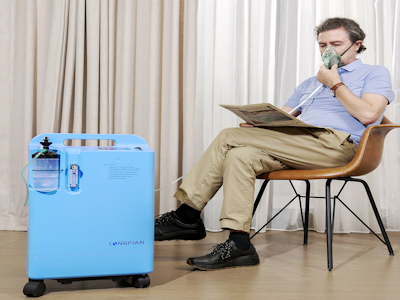
В современном мире доступ к чистому кислороду становится все более критическим для здоровья человека, промышленного развития и экологической устойчивости. Кислородные генераторы, устройства, которые производят кислород из окружающего воздуха, играют ключевую роль в этом процессе. В этой статье мы подробно рассмотрим, как работают эти устройства, их разнообразные применения и почему они так важны для нашего общества. Мы углубимся в технические аспекты, историю развития, текущие тенденции и будущие перспективы, чтобы предоставить всестороннее понимание этой темы.
Кислородные генераторы — это инновационные системы, предназначенные для отделения кислорода от других газов в атмосфере, таких как азот и аргон. Они широко используются в различных отраслях, включая медицину, где чистый кислород необходим для лечения респираторных заболеваний, и промышленность, где кислород используется в процессах сварки, металлургии и химического производства. Важность этих устройств возросла особенно во время пандемии COVID-19, когда спрос на медицинский кислород резко увеличился, подчеркивая их жизненную роль в кризисных ситуациях.
Исторически, производство кислорода началось с простых методов, таких как электролиз воды или разделение воздуха через сжижение, но современные генераторы используют передовые технологии, такие как адсорбция переменным давлением (PSA) или мембранное разделение, чтобы эффективно и экономично производить кислород высокой чистоты. Эти advancements не только улучшили доступность кислорода, но и снизили затраты, сделав его более доступным для развивающихся стран и удаленных регионов.
В этой статье мы сначала объясним основные принципы работы кислородных генераторов, затем обсудим их применение в разных сферах, включая медицину, промышленность, аэрокосмическую отрасль и экологию. Далее, мы проанализируем важность этих устройств, рассматривая их impact на общественное здоровье, экономику и устойчивое развитие. Наконец, мы заглянем в будущее, обсуждая инновации и вызовы, с которыми сталкивается эта отрасль.
Кислородные генераторы функционируют на основе физических и химических процессов, которые позволяют отделять кислород от других компонентов воздуха. Основные методы включают адсорбцию переменным давлением (PSA), мембранное разделение и криогенную дистилляцию. Каждый из этих методов имеет свои преимущества и ограничения, и выбор зависит от требуемой чистоты кислорода, масштаба производства и экономических факторов.
Метод адсорбции переменным давлением (PSA) является одним из наиболее распространенных для производства кислорода в медицинских и промышленных целях. В этом процессе воздух сжимается и пропускается через адсорбент, такой как цеолит, который selectively адсорбирует азот и другие газы, оставляя кислород. Затем, путем снижения давления, адсорбированные газы высвобождаются, и цикл повторяется. Этот метод позволяет производить кислород с чистотой до 95% и является энергоэффективным для средних масштабов.
Мембранное разделение использует полупроницаемые мембраны, которые пропускают кислород быстрее, чем азот, due to разницы в размерах молекул или растворимости. Этот метод simpler и более compact, но typically производит кислород с lower чистотой (around 30-40%), что делает его подходящим для applications, где высокая чистота не критична, such as в аквариумах или для обогащения воздуха в помещениях.
Криогенная дистилляция — это traditional метод для large-scale производства oxygen высокой чистоты (up to 99.5%). Он involves сжижение воздуха при очень low temperatures и последующую дистилляцию to separate компоненты based on их boiling points. Хотя этот метод energy-intensive и дорогой, он essential для industries, such as металлургия и aerospace, где требуется oxygen exceptional purity.
Кроме этих основных methods, существуют hybrid системы, которые combine multiple approaches to optimize efficiency and output. Например, some генераторы используют PSA для preliminary separation и затем дочищают oxygen через мембраны или другие processes. Innovations в materials science, such as development новых адсорбентов или мембран, continue to improve performance и reduce costs.
Важно отметить, что работа oxygen генераторов также зависит от external factors, such as качество inlet воздуха, temperature, и humidity. Поэтому modern системы often include pre-treatment steps, such as filtration и осушение, to ensure consistent output. Additionally, automation и monitoring technologies allow for remote control и predictive maintenance, enhancing reliability.
В целом, principles работы oxygen генераторов основаны на well-established физических laws, но continuous R&D drives improvements в efficiency, scalability, и accessibility. Эти advancements make oxygen generation more sustainable и adaptable to diverse needs.
В медицинской сфере кислородные генераторы незаменимы для обеспечения пациентов чистым кислородом, который используется в терапии respiratory заболеваний, such as asthma, COPD, и COVID-19. During the pandemic, shortage of medical oxygen highlighted the critical role of these devices in saving lives. Hospitals and clinics rely on oxygen generators to provide continuous supply without the need for bulky cylinders, which can be logistically challenging and expensive.
Medical oxygen generators typically produce oxygen with purity levels of 90-95%, suitable for most therapeutic applications. They are used in intensive care units (ICUs), operating rooms, and home healthcare settings. Portable oxygen concentrators have also become popular, allowing patients with chronic conditions to maintain mobility while receiving oxygen therapy.
The importance of oxygen generators in medicine extends beyond treatment to prevention and diagnostics. For example, oxygen is used in hyperbaric chambers for wound healing and in anesthesia during surgeries. Moreover, in remote or low-resource areas, oxygen generators can be life-saving by providing access to oxygen without relying on supply chains that may be disrupted.
Technological advancements have made medical oxygen generators more user-friendly and efficient. Features like oxygen purity sensors, alarm systems, and energy-saving modes ensure safety and reliability. As healthcare systems evolve, the integration of oxygen generators with telemedicine and IoT devices could further enhance patient care.
In summary, oxygen generators are a cornerstone of modern medicine, enabling effective treatment of respiratory illnesses and improving overall healthcare outcomes. Their role became especially prominent during global health crises, underscoring the need for robust and scalable oxygen production capabilities.
В промышленности кислородные генераторы используются в numerous processes, including welding, metal cutting, chemical synthesis, and water treatment. Oxygen enhances combustion efficiency in furnaces and kilns, reducing fuel consumption and emissions. In the steel industry, for instance, oxygen is blown into furnaces to remove impurities and improve quality.
Industrial oxygen generators often produce oxygen with purity ranging from 90% to 99%, depending on the application. PSA systems are commonly employed due to their cost-effectiveness and reliability. These generators can be installed on-site, eliminating the need for transportation and storage of oxygen cylinders, which reduces costs and minimizes safety risks associated with handling compressed gases.
Another significant application is in the environmental sector, where oxygen is used in wastewater treatment plants to promote aerobic digestion and reduce odors. Additionally, oxygen generators support aquaculture by maintaining dissolved oxygen levels in water, ensuring healthy fish growth.
The versatility of oxygen generators makes them valuable across various industries. In the food and beverage industry, oxygen is used for oxidation processes and packaging. In the energy sector, oxygen-enriched air can improve the efficiency of combustion engines and turbines.
Advancements in industrial oxygen generation focus on increasing energy efficiency and reducing carbon footprint. For example, hybrid systems that integrate renewable energy sources are being developed. As industries strive for sustainability, oxygen generators will play a key role in enabling greener processes.
Overall, the industrial applications of oxygen generators contribute to economic growth and environmental protection by optimizing production processes and reducing waste.
Кислородные генераторы находят применение beyond medicine and industry. In aviation and space exploration, oxygen generators are critical for life support systems in aircraft and spacecraft. They ensure that passengers and crew have breathable air at high altitudes or in enclosed environments.
In the military, portable oxygen generators are used by soldiers in high-altitude operations or in contaminated areas. They provide a reliable source of oxygen without dependence on external supplies.
Recreationally, oxygen generators are used in sports and wellness, such as in oxygen bars where people inhale oxygen for purported health benefits like increased energy and reduced stress. Although the scientific evidence for these benefits is mixed, the trend reflects a growing interest in oxygen-based therapies.
In emergency response, oxygen generators can be deployed in disaster zones to support rescue operations and medical care. Their mobility and independence from infrastructure make them ideal for crisis situations.
Furthermore, oxygen generators are used in scientific research, particularly in laboratories where controlled atmospheres are needed for experiments. They also support environmental monitoring by providing calibration gases for sensors.
The broad applicability of oxygen generators demonstrates their versatility and importance across multiple domains. As technology advances, new uses are likely to emerge, further integrating oxygen generation into daily life.
Кислородные генераторы важны по нескольким причинам. Firstly, they enhance public health by providing access to medical oxygen, which is essential for treating respiratory diseases. The COVID-19 pandemic starkly illustrated how oxygen shortages can lead to fatalities, making reliable oxygen production a matter of life and death.
Secondly, oxygen generators support industrial productivity and innovation. By enabling efficient processes, they reduce costs and environmental impact. For example, in steelmaking, oxygen injection can lower carbon emissions by improving efficiency.
Thirdly, oxygen generators contribute to sustainability. They can be powered by renewable energy, and on-site production reduces transportation-related emissions. In wastewater treatment, oxygen use promotes cleaner water outputs.
Economically, oxygen generators create opportunities for local production and job creation, especially in developing regions where infrastructure is limited. They reduce dependence on imported oxygen, enhancing energy security.
Socially, oxygen generators improve quality of life by enabling home-based healthcare and supporting activities like sports and recreation. They also play a role in education and research, fostering scientific advancement.
In crisis situations, such as natural disasters or pandemics, oxygen generators provide resilience by ensuring uninterrupted oxygen supply. This reliability is crucial for emergency preparedness and response.
Overall, the importance of oxygen generators lies in their multifaceted benefits to health, economy, environment, and society. Investing in oxygen generation technology is an investment in a safer, healthier, and more sustainable future.
Будущее кислородных генераторов looks promising with ongoing innovations. Research is focused on improving efficiency through advanced materials, such as metal-organic frameworks (MOFs) for adsorption, which offer higher selectivity and capacity. These materials could revolutionize oxygen production by reducing energy consumption and costs.
Another trend is the integration of digital technologies, like IoT and AI, for smart monitoring and optimization of oxygen generators. This allows for predictive maintenance, real-time adjustments, and remote operation, enhancing reliability and user experience.
Renewable energy integration is also gaining traction. Solar-powered or wind-powered oxygen generators can make oxygen production more sustainable, particularly in off-grid areas. This aligns with global efforts to combat climate change.
Miniaturization and portability are key areas of development. Smaller, more efficient devices could expand applications in personal healthcare, military use, and emergency kits. For example, wearable oxygen generators could provide continuous therapy for patients on the go.
In terms of market trends, demand for oxygen generators is expected to grow due to aging populations, increasing prevalence of respiratory diseases, and industrialization in emerging economies. Collaboration between governments, industries, and research institutions will drive innovation and accessibility.
Challenges remain, such as high initial costs for advanced systems and the need for standardized regulations. However, with continued investment and awareness, these hurdles can be overcome.
In conclusion, the future of oxygen generators is bright, with potential breakthroughs that could make oxygen as accessible as electricity. This would have profound implications for global health and development.
В заключение, кислородные генераторы являются vital technology с wide-ranging impact. Их ability to produce oxygen on-demand transforms healthcare, industry, and beyond. Understanding how they work and why they are important helps appreciate their role in modern society.
From saving lives in hospitals to enabling sustainable industrial processes, oxygen generators exemplify innovation for good. As we face future challenges, such as climate change and health crises, these devices will only become more crucial.
We encourage continued support for research and adoption of oxygen generation technologies to ensure a healthier and more resilient world for all.
Ключевые выводы:
Thank you for reading this in-depth exploration of oxygen generators. We hope it has provided valuable insights into their operation and significance.
Предыдущая статья: Срочный ремонт кислородных концентраторов профессиональный сервис гарантия качества
Следующий пост: Ремонт генераторов кислорода срочно и качественно