
Время публикации:2025-12-22 04:01:10
Вы когда-нибудь задумывались, как человечество справляется с самыми суровыми вызовами природы? В мире, где экстремальные условия становятся все более распространенными из-за изменения климата, стихийных бедствий или просто авантюрного образа жизни, вопрос выживания становится как никогда актуальным. Один из ключевых элементов, который может спасти жизнь в таких ситуациях, — это кислородный баллон. Но что делает его таким незаменимым? Как он работает, и почему каждый, кто сталкивается с риском, должен серьезно рассмотреть его приобретение? В этой статье мы погрузимся в детали, исследуя все аспекты кислородных баллонов для выживания в экстремальных условиях.
Кислородный баллон — это устройство, предназначенное для хранения и подачи чистого кислорода под давлением. Обычно он состоит из прочного металлического или композитного цилиндра, клапана для регулировки потока, и маски или мундштука для дыхания. Принцип работы основан на сжатии газа, что позволяет хранить большое количество кислорода в компактной форме. Когда человек вдыхает через маску, кислород поступает в легкие, обеспечивая необходимое насыщение крови даже в условиях низкого содержания кислорода в воздухе, например, на больших высотах или под водой.
Но зачем вообще нужен дополнительный кислород? Человеческое тело зависит от кислорода для производства энергии через процесс дыхания. В нормальных условиях атмосфера содержит около 21% кислорода, но в экстремальных ситуациях этот уровень может резко снизиться. Например, при горных восхождениях на высотах выше 3000 метров воздух разрежен, и организм страдает от гипоксии — недостатка кислорода. Это может привести к головокружению, усталости, а в тяжелых случаях — к отеку легких или мозга, что смертельно опасно. Кислородный баллон здесь acts как спасательный круг, подавая чистый O2 и предотвращая трагические последствия.
История кислородных баллонов восходит к началу 20 века, когда они впервые использовались в медицине и авиации. Сегодня технология значительно advanced, с баллонами, сделанными из легких материалов like алюминия или титана, что делает их портативными и удобными для переноски. Они оснащены регуляторами давления и safety features, такими как предохранительные клапаны, чтобы предотвратить взрывы. Вопрос в том, насколько надежны эти устройства в реальных чрезвычайных ситуациях? Исследования показывают, что при правильном использовании они могут увеличить шансы на выживание на 50% и более, особенно в combined с другими survival gear.
Экстремальные условия варьируются от природных катастроф до челове-made опасностей, и в каждой из этих ситуаций кислородный баллон может сыграть решающую роль. Рассмотрим несколько ключевых сценариев.
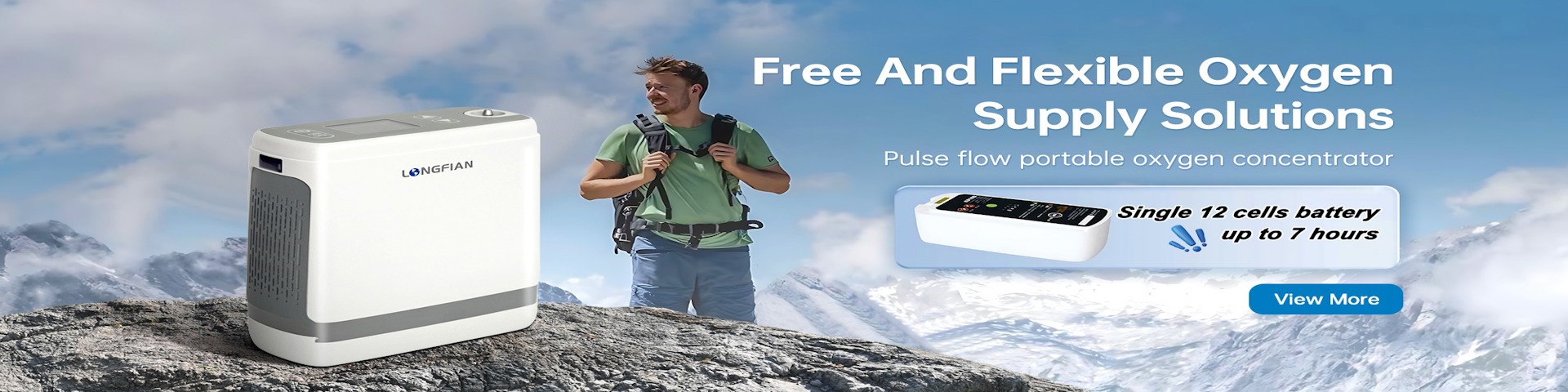
Во-первых, высокогорные восхождения. Альпинисты и любители треккинга часто сталкиваются с высотной болезнью. На Эвересте, например, уровень кислорода может упасть до 33% от нормы на уровне моря. Без дополнительного кислорода даже опытные climbers рискуют жизнью. Кислородные баллоны здесь не просто удобство — они necessity. Многие экспедиции включают их в стандартное снаряжение, и истории выживания, like those of Reinhold Messner, who summited Everest without oxygen, highlight the exception rather than the rule. For most, a баллон means the difference between success and failure, life and death.
Во-вторых, подводное плавание и дайвинг. Под водой давление increases, и азот в воздухе can cause nitrogen narcosis or decompression sickness. Кислородные баллоны, often part of scuba gear, provide enriched air or pure oxygen for decompression stops, reducing risks. In emergency situations, such as equipment failure, a portable oxygen tank can be a lifeline, allowing divers to ascend safely. Imagine being trapped in a cave dive: without oxygen, hypoxia sets in quickly, but with a баллон, you buy precious time for rescue.
В-третьих, стихийные бедствия, such as earthquakes, fires, or chemical spills. In urban environments, smoke from fires can reduce oxygen levels dramatically. During the Chernobyl disaster, workers used oxygen masks to avoid radiation-induced hypoxia. Similarly, in wildfires, people often suffocate from smoke inhalation. A personal oxygen cylinder could provide critical minutes to escape. Moreover, in pandemic scenarios like COVID-19, where respiratory distress is common, oxygen therapy at home has saved lives, underscoring the versatility of these devices.
В-четвертых, aviation and space travel. Pilots and astronauts rely on oxygen systems at high altitudes or in space, where air is absent. Commercial flights have emergency oxygen masks for passengers in case of cabin depressurization. This is a testament to how integrated oxygen tanks are in modern safety protocols. The question is: should individuals carry personal oxygen for everyday emergencies? With climate change increasing the frequency of extreme weather, it might not be a far-fetched idea.
Other scenarios include industrial accidents, mining operations, and even sports like marathon running in polluted cities. In each case, the common thread is the threat of hypoxia. Oxygen баллоны offer a proactive solution, but их effectiveness depends on factors like size, duration of supply, and user training. For instance, a small portable tank might provide oxygen for 30 minutes to an hour, which could be enough to reach safety or await help. However, in prolonged situations, larger tanks or oxygen concentrators might be needed.
Выбор кислородного баллона зависит от intended use, budget, and personal needs. There are several types to consider.
First, by size and capacity. Balloons range from small, disposable units holding around 100 liters of oxygen (enough for short emergencies) to large, refillable tanks with capacities exceeding 1000 liters for extended use. For hiking, a compact, lightweight model is ideal, weighing under 2 kg. For home emergency kits, a medium-sized tank might be better. Capacity is measured in liters or cubic feet, and flow rate determines how long it lasts. A standard flow of 2 liters per minute means a 100-liter tank will provide oxygen for about 50 minutes.
Second, by material. Traditional steel tanks are durable but heavy; aluminum and composite materials are lighter and corrosion-resistant, making them preferred for outdoor activities. Composite tanks, made from materials like carbon fiber, are expensive but offer the best weight-to-capacity ratio.
Third, by pressure and regulation. Tanks are rated by working pressure (e.g., 200 bar). Higher pressure allows more oxygen storage but requires robust valves. Regulators control the flow, and some models have adjustable settings for different needs. Safety features like pressure gauges and burst disks are crucial to prevent accidents.
Fourth, consider portability and accessories. Look for tanks with carrying cases, shoulder straps, or integrated masks. Some come with nasal cannulas for comfort during prolonged use. Brands like Linde, Air Liquide, and portable options from medical suppliers offer reliable products. Prices vary widely: a small disposable tank might cost $20-$50, while a refillable system can be $100-$500 or more. Refilling costs add up, so factor that in.
When choosing, ask yourself: What is the primary risk? For mountaineering, prioritize weight and capacity. For home use, ease of storage and longevity. Read reviews and check certifications (e.g., ISO standards) to ensure quality. Remember, improper use can be dangerous, so always follow manufacturer instructions and consider training from professionals.
Владение кислородным баллоном — это только half the battle; knowing how to use and maintain it is equally important.
Start with storage: Keep tanks in a cool, dry place away from heat sources or flames, as oxygen supports combustion. Avoid dropping or damaging the cylinder, as dents can weaken it. Store upright to prevent valve damage.
For usage, practice attaching the mask or cannula before an emergency. Turn the valve slowly to open, and set the flow rate as recommended (typically 2-6 liters per minute for adults). Breathe normally through the mask. In high-stress situations, panicking can lead to hyperventilation, so stay calm. Monitor oxygen levels if possible with a pulse oximeter.
Maintenance involves regular inspections. Check for leaks by applying soapy water to connections; bubbles indicate a leak. Ensure the valve and regulator are clean and functional. For refillable tanks, have them professionally refilled at authorized stations. Disposable tanks should be replaced after use or if expired (they have a shelf life).
Safety precautions: Never use oxygen near open flames or sparks. Oxygen-enriched environments can cause materials to burn more easily. In case of a fire, shut off the oxygen immediately. Also, be aware of medical conditions; excessive oxygen can be harmful for people with certain lung diseases, so consult a doctor if unsure.
Training is key. Many organizations offer courses on oxygen use, such as those for first aid or wilderness survival. Practicing in a controlled environment builds confidence and ensures you can act quickly when needed. Share knowledge with family or team members, as emergencies often require collective action.
Real-life examples: During the 2015 Nepal earthquake, survivors used oxygen tanks from hospitals to treat injuries. In the COVID-19 pandemic, home oxygen therapy became a lifesaver for many. These stories highlight the importance of being prepared.
Внедрение кислородных баллонов raises questions about accessibility and sustainability.
Ethically, oxygen is a basic human need, yet not everyone can afford these devices. In developing countries, where natural disasters are common, access to medical oxygen is limited. Initiatives like UNICEF's oxygen concentrator programs aim to bridge this gap, but personal tanks remain a luxury for many. This disparity underscores the need for global efforts to make survival technology more equitable.
Economically, the cost of oxygen tanks can be prohibitive. While disposable ones are relatively cheap, refillable systems and maintenance add expenses. Insurance may cover medical oxygen but not necessarily recreational or emergency use. Governments and NGOs could subsidize programs for high-risk areas, similar to earthquake preparedness kits.
Environmental impact: Manufacturing and disposing of oxygen tanks consume resources and energy. Steel production has a carbon footprint, and disposable tanks contribute to waste. However, refillable tanks are more sustainable, as they can be used multiple times. Innovations in recyclable materials are reducing this impact.
From a personal finance perspective, investing in an oxygen tank might seem excessive, but consider the cost of not having one: medical bills, lost opportunities, or worse. For adventurers, it's part of the gear budget; for families, it could be a wise precaution against unforeseen events.
Ultimately, the decision to own an oxygen balloon should be based on risk assessment. If you live in a flood-prone area, hike regularly, or have respiratory issues, it might be worth it. Education and awareness can help people make informed choices.
В мире full of uncertainties, being prepared is not paranoia—it's prudence. Кислородный баллон represents more than just equipment; it symbolizes our ability to harness technology for survival. Whether facing the peaks of mountains, the depths of the ocean, or the chaos of disasters, having a reliable source of oxygen can turn desperation into hope.
As we've explored, these devices are versatile, necessary in many contexts, and increasingly accessible. But they require knowledge and responsibility. I encourage you to reflect: What risks do you face in your life? Could an oxygen tank be part of your safety plan? Share your thoughts in the comments, and let's continue this conversation about survival and innovation.
Remember, the air we breathe is precious. In extreme conditions, a little extra oxygen might be all that stands between life and death. Stay safe, stay prepared, and never underestimate the power of being ready for the unknown.
Предыдущая статья: Как скачать инструкцию для концентратора кислорода
Следующий пост: Какие бывают типы кислородных баллонов и их особенности