Время публикации:2025-12-24 16:01:10
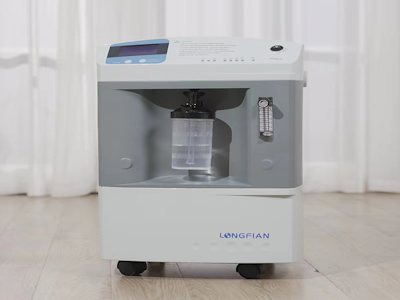
Кислородное оборудование играет критически важную роль в различных сферах, от медицины до промышленности. Однако неправильная эксплуатация может привести к серьезным последствиям, включая угрозу жизни и повреждение имущества. В этой статье мы подробно рассмотрим 23 распространенные ошибки, которые часто допускают пользователи, и дадим практические советы по их избежанию. Если вы используете кислородные концентраторы, баллоны или другие устройства, эта информация поможет вам обеспечить безопасность и эффективность.
Одна из самых частых ошибок — пренебрежение чтением инструкции по эксплуатации. Многие пользователи считают, что могут разобраться самостоятельно, но это приводит к неправильной настройке и использованию. Например, неправильное подключение шлангов или установка давления может вызвать утечки или взрыв.
Кислородные баллоны должны храниться в вертикальном положении, в прохладном и сухом месте, away from источников тепла или открытого огня. Ошибка хранения в горизонтальном положении или near flammable materials может привести к утечкам или возгоранию.
Статистика показывает, что до 15% инцидентов с кислородным оборудованием связаны с неправильным хранением.
Трещины в шлангах, сломанные клапаны или коррозия на баллонах — common issues. Продолжение использования такого оборудования опасно, так как оно может не выдержать давления или вызвать утечку кислорода, which is a fire hazard.
Кислородное оборудование, особенно в медицинских settings, требует регулярной cleaning to prevent bacterial growth. Ошибка — использование агрессивных chemicals или neglect cleaning, что может привести to infections or equipment malfunction.
Исследования indicate that proper cleaning reduces the risk of healthcare-associated infections by up to 30%.
Каждое кислородное устройство has a maximum capacity. Exceeding it, например, by connecting too many devices to one source, can cause overheating, pressure drops, or failure. This is common in home settings where users try to extend usage beyond limits.
Like any mechanical device, oxygen equipment requires periodic maintenance. Skipping scheduled checks for filters, valves, or sensors can lead to gradual degradation and sudden failures.
According to industry reports, equipment with regular maintenance lasts up to 50% longer and has fewer emergencies.
Setting the pressure too high or too low can be dangerous. High pressure may cause leaks or bursts, while low pressure might not deliver sufficient oxygen, critical for medical patients.
Oxygen supports combustion, so using equipment near candles, cigarettes, or electrical sparks is extremely hazardous. This error has caused numerous fires and explosions.
Fire safety organizations emphasize that oxygen-related fires are preventable with proper awareness.
Filters in oxygen concentrators or systems need regular replacement to ensure clean oxygen delivery. Neglecting this can lead to clogging, reduced efficiency, and contamination.
Moving oxygen cylinders or concentrators without proper securing can cause damage or accidents. For example, dropping a cylinder might crack it, leading to leaks.
Accidents during transportation account for about 10% of oxygen equipment failures.
Connecting non-approved hoses, masks, or regulators can cause leaks or malfunctions. This is common when users try to save money by using generic parts.
Equipment often has warning labels about hazards like high pressure or oxygen enrichment. Ignoring these can lead to careless behavior and accidents.
Studies show that awareness of warnings reduces accident rates by over 40%.
Running out of oxygen in a cylinder during critical use, such as in medical emergencies, is a serious error. It often happens due to poor monitoring.
Oxygen equipment may not function properly in extreme temperatures, high humidity, or dusty environments. For instance, cold weather can affect valve operation.
Environmental factors contribute to approximately 20% of equipment malfunctions.
Opening or closing valves too quickly can cause pressure surges or damage. This is a common mistake among inexperienced users.
Not providing adequate training to all users, especially in homes or small facilities, leads to misuse. Education is key to preventing errors.
Data indicates that trained users make 60% fewer mistakes compared to untrained ones.
Some components, like seals or filters, have expiration dates. Using them beyond that can compromise safety and performance.
Different regions have specific codes for oxygen equipment use. Ignoring these can result in legal issues and unsafe practices.
Compliance with standards reduces the risk of incidents and ensures interoperability with other systems.
Regular leak testing is essential to detect slow leaks that might go unnoticed. Skipping this can waste oxygen and create hazardous conditions.
Modifying oxygen equipment for other uses, like in welding or DIY projects, is dangerous and can lead to failures or accidents.
Misuse accounts for a significant portion of oxygen-related accidents in non-medical settings.
Disposing of oxygen cylinders or parts improperly, such as in regular trash, can cause environmental harm or accidents if they still contain residual oxygen.
Signs like unusual noises, drops in pressure, or strange odors should not be ignored. Continuing use despite these warnings can lead to breakdowns or hazards.
Early detection of issues can prevent up to 80% of major failures.
Not having a plan for emergencies, such as fires or equipment failure, increases risk. This includes lack of fire extinguishers or knowledge of evacuation procedures.
Эксплуатация кислородного оборудования требует внимательности и соблюдения правил безопасности. Избегая этих 23 распространенных ошибок, вы можете significantly снизить риски и обеспечить долгосрочную reliable работу устройств. Помните, что безопасность всегда на первом месте — инвестируйте в обучение, регулярное обслуживание и использование качественных components. Если у вас есть вопросы, обязательно консультируйтесь с профессионалами. Берегите себя и свое оборудование!
Для получения дополнительной информации обратитесь к производителю или специализированным ресурсам. Stay safe and informed!
Предыдущая статья: 10 инновационных кислородных генераторов для дома и спорта
Следующий пост: Выбор лучшего домашнего кислородного концентратора для здоровья семьи