Время публикации:2025-12-25 00:01:10
В современном мире, где здоровье становится всё более приоритетным, кислородные концентраторы набирают популярность как эффективное средство для кислородной терапии. Однако вокруг этих устройств существует множество мифов и заблуждений, которые могут сбить с толку потенциальных покупателей и помешать им сделать правильный выбор. В этой статье мы подробно разберём самые распространённые мифы о кислородных концентраторах, предоставив факты и экспертные мнения, чтобы помочь вам принять обоснованное решение. Мы рассмотрим такие аспекты, как производительность, безопасность, стоимость, удобство использования и многое другое. К концу чтения вы будете обладать всеми необходимыми знаниями, чтобы выбрать идеальный кислородный концентратор для ваших нужд.
Один из самых распространённых мифов заключается в том, что кислородные концентраторы вырабатывают 100% чистый кислород. На самом деле, эти устройства работают по принципу адсорбции переменного давления (PSA), который позволяет отделять кислород от азота и других газов в воздухе. Типичный концентратор производит кислород с концентрацией от 87% до 95%, в зависимости от модели и условий использования. Это более чем достаточно для медицинских применений, таких как лечение хронической обструктивной болезни лёгких (ХОБЛ) или других респираторных заболеваний, но важно понимать, что это не абсолютно чистый кислород. Заблуждение о 100% чистоте может привести к нереалистичным ожиданиям и разочарованию. Фактически, высокая концентрация кислорода, производимая этими устройствами, полностью соответствует медицинским стандартам и безопасна для длительного использования при правильной настройке.
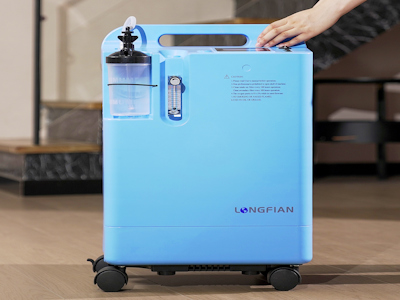
Многие люди ошибочно полагают, что все кислородные концентраторы идентичны и что можно просто купить первую попавшуюся модель. Это далеко от истины. Концентраторы vary significantly in terms of flow rate (обычно измеряется в литрах в минуту), purity of oxygen, portability, noise level, energy consumption, and additional features such as humidifiers or alarms. For example, stationary models are designed for home use with higher flow rates (up to 10 L/min), while portable units are lighter and quieter but may have lower output. Choosing the wrong type can lead to inefficiency or even health risks. It's crucial to consult with a healthcare professional to determine your specific oxygen needs based on your medical condition before making a purchase. Additionally, brand reputation and warranty should be considered, as reliable manufacturers like Philips or Inogen offer better durability and customer support.
Ещё один распространённый миф — что кислородные концентраторы создают много шума, что может disrupt sleep or daily activities. While older models were indeed noisy, modern concentrators have undergone significant improvements in design and technology. Many contemporary units operate at noise levels below 40 decibels, which is comparable to a quiet conversation or a refrigerator hum. Some portable models are even quieter, making them ideal for use at night or in quiet environments. To mitigate noise concerns, look for concentrators with noise-reduction features and read user reviews. Remember, the benefits of improved oxygen levels often outweigh the minor inconvenience of noise, and many users adapt quickly to the sound.
Безопасность — ключевая concern для многих, и существует миф о том, что кислородные концентраторы повышают risk of fire because oxygen supports combustion. While it's true that oxygen-enriched environments can intensify fires, modern concentrators are designed with multiple safety features to minimize risks. These include overheating protection, automatic shut-off in case of malfunction, and certifications from organizations like the FDA or CE. Users should follow basic safety guidelines: avoid smoking near the device, keep it away from open flames, and ensure proper ventilation. When used correctly, oxygen concentrators are very safe, and the risk of fire is extremely low compared to other household appliances. Education on safe practices is essential, but fear should not prevent anyone from benefiting from oxygen therapy.
Cost is a major barrier for many, leading to the myth that oxygen concentrators are prohibitively expensive. While high-end models can be costly, there is a wide range of options available to fit different budgets. Prices vary from a few hundred to several thousand dollars, depending on features and brand. Additionally, in many countries, health insurance or government programs may cover part or all of the cost for medically necessary devices. It's also worth considering the long-term savings compared to oxygen cylinders, which require frequent refills and transportation. Researching and comparing models, looking for discounts or used equipment (with caution), and discussing financing options with suppliers can make oxygen concentrators accessible to most people.
Some potential users avoid oxygen concentrators due to the belief that they require extensive and complicated maintenance. In reality, these devices are designed for easy upkeep. Basic maintenance includes regularly cleaning or replacing filters, checking for blockages, and ensuring the device is placed in a well-ventilated area. Most models come with user-friendly manuals, and many suppliers offer maintenance services or support. Neglecting maintenance can reduce efficiency, but with simple routine care, a concentrator can last for years without major issues. This myth often stems from confusion with older technology; modern units are much more reliable and low-maintenance.
There is a misconception that oxygen concentrators are only for mild conditions and are ineffective for serious respiratory diseases. However, clinical studies and medical guidelines confirm that oxygen concentrators are highly effective for managing chronic conditions like COPD, pulmonary fibrosis, or even during recovery from surgeries. They provide a continuous supply of oxygen, improving blood oxygen levels and overall quality of life. The key is to choose a concentrator with adequate flow rate and purity as prescribed by a doctor. For severe cases, stationary models with higher output are recommended. Dismissing concentrators based on this myth could deprive individuals of a vital therapy that can significantly enhance health outcomes.
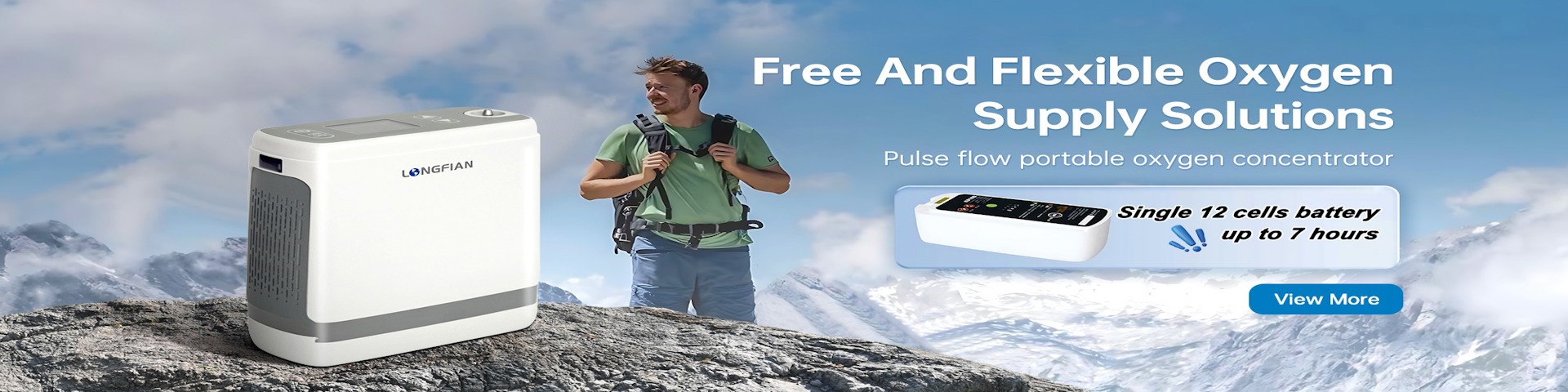
Another common myth is that portable oxygen concentrators (POCs) are inferior in reliability and performance compared to stationary models. While POCs are generally smaller and have lower flow rates, advancements in technology have made them highly reliable and suitable for active lifestyles. They are ideal for travel or outdoor activities, offering freedom and independence. Many POCs now feature long battery life, multiple power options, and robust construction. The choice between portable and stationary should be based on individual needs: stationary for high-dose therapy at home, portable for mobility. Both types undergo rigorous testing and can be equally dependable when used as intended.
Some people believe that oxygen concentators are simple devices that can be used safely without professional guidance. This is a dangerous myth. Oxygen therapy should always be prescribed and monitored by a healthcare provider. Incorrect usage, such as setting the flow rate too high or too low, can lead to complications like oxygen toxicity or hypoxia. A doctor will determine the appropriate dosage based on blood gas tests and individual health status. Self-medicating with an oxygen concentrator can be harmful, so it's essential to seek medical advice before starting therapy and have regular check-ups to adjust settings as needed.
Finally, there's a stereotype that oxygen concentrators are only for the elderly. In truth, people of all ages may benefit from oxygen therapy due to various conditions, such as asthma, cystic fibrosis, or sports-related hypoxia. Younger individuals might use portable concentrators for altitude training or during recovery from illnesses. This myth can create unnecessary stigma and prevent those who need it from seeking help. Oxygen therapy is a medical treatment, not an age-specific tool, and everyone deserves access to it based on their health needs.
Разоблачив эти мифы, мы надеемся, что вы теперь better equipped to make an informed decision about oxygen concentrators. Remember to consult with a healthcare professional, assess your specific needs (e.g., flow rate, portability), research brands and models, read reviews, and consider budget and insurance options. Avoid falling for common misconceptions—oxygen concentrators are safe, effective, and accessible devices that can greatly improve quality of life. By understanding the facts, you can choose a concentrator that best suits your lifestyle and health requirements, ensuring you reap the full benefits of oxygen therapy without unnecessary worries.
Если у вас есть вопросы или вы хотите поделиться своим опытом, оставьте комментарий ниже. Будьте здоровы и делайте осознанный выбор!
Предыдущая статья: КИСЛОРОДНЫЙ КОНЦЕНТРАТОР НОВЫЙ УРОВЕНЬ КОМФОРТА ДЛЯ ДОМА
Следующий пост: 10 инновационных кислородных генераторов для дома и спорта