Время публикации:2025-12-13 16:01:10
В современном мире, где здоровье и благополучие становятся приоритетом номер один, технологии медицинского оборудования играют ключевую роль. Среди них кислородные концентраторы выделяются как незаменимые устройства, обеспечивающие чистый и концентрированный кислород для пациентов с респираторными заболеваниями, спортсменов и даже в промышленных целях. Однако, когда речь заходит о экспорте таких устройств, надежность и эффективность становятся критически важными факторами. В этой статье мы глубоко погрузимся в мир кислородных концентраторов, предназначенных для международного рынка, исследуя их преимущества, инновации и то, как они могут изменить жизни людей по всему миру.
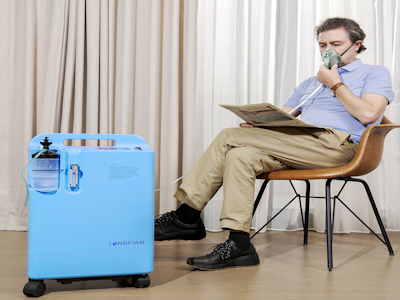
Кислородный концентратор — это медицинское устройство, которое извлекает кислород из окружающего воздуха, концентрируя его до высоких уровней (обычно от 90% до 95%) и доставляя его пользователю через nasal cannula или маску. Это революционная технология, которая заменила громоздкие кислородные баллоны, предлагая портативность, удобство и безопасность. Для экспорта такие устройства должны соответствовать строгим международным стандартам, таким как ISO, CE marking, и FDA approvals, что гарантирует их надежность и эффективность в различных климатических и культурных условиях.
Экспорт кислородных концентраторов не только способствует глобальному здравоохранению, но и открывает новые экономические возможности для производителей. С ростом спроса на медицинское оборудование, особенно после пандемии COVID-19, рынок экспорта кислородных концентраторов расширяется стремительными темпами. По данным Всемирной организации здравоохранения, более 300 миллионов человек страдают от хронических респираторных заболеваний, таких как ХОБЛ или астма, и многим из них требуется постоянная кислородная терапия. Это создает огромный потенциал для экспорта надежных и эффективных концентраторов.
Надежность — это основа успеха любого медицинского устройства на международном рынке. Кислородные концентраторы, предназначенные для экспорта, проходят rigorous testing на долговечность, устойчивость к перепадам температуры, влажности и другим environmental factors. Например, модели с advanced filtration systems способны работать в условиях высокой запыленности или влажности, что делает их идеальными для экспорта в страны с tropical climates или развивающиеся регионы.
Эффективность измеряется не только в terms of oxygen output, но и в energy consumption, portability, and ease of use. Современные концентраторы используют технологии like pressure swing adsorption (PSA) to deliver oxygen with minimal energy waste. For export, this means lower operational costs for end-users and reduced environmental impact, aligning with global sustainability goals. Additionally, features such as battery backup, lightweight design, and user-friendly interfaces make these devices accessible to a wide range of users, from elderly patients in rural areas to athletes in urban centers.
Another significant advantage is customization. Export-oriented concentrators can be tailored to meet specific regional requirements, such as voltage compatibility (e.g., 110V for North America, 220V for Europe and Asia), language settings on displays, and compliance with local medical regulations. This flexibility enhances their appeal and ensures seamless integration into diverse healthcare systems.
The field of oxygen concentrators is constantly evolving, driven by innovations in materials science, electronics, and artificial intelligence. For export, this translates to devices that are not only reliable and efficient but also smart and connected. For instance, IoT-enabled concentrators can monitor patient usage, send alerts for maintenance, and even integrate with telehealth platforms, allowing remote monitoring by healthcare providers. This is particularly valuable for export to remote areas where access to medical care is limited.
Advances in compressor technology have led to quieter operation, reducing noise pollution and making concentrators more suitable for home use. Moreover, the development of portable and stationary models with higher flow rates (up to 10 liters per minute) ensures that they can cater to a variety of needs, from mild oxygen therapy to critical care situations. These innovations position oxygen concentrators as a cornerstone of modern healthcare infrastructure, ready for global export.
Despite the benefits, exporting oxygen concentrators comes with challenges, such as logistics, regulatory hurdles, and cultural barriers. Ensuring that devices arrive in pristine condition requires robust packaging and reliable shipping partners. Regulatory compliance involves navigating complex certification processes in different countries, which can be time-consuming and costly. However, partnering with experienced distributors and investing in comprehensive quality control systems can mitigate these issues.
Cultural sensitivity is also important; for example, in some regions, there may be stigma associated with medical devices or preferences for certain brands. Educational campaigns and localized marketing can help overcome these barriers, emphasizing the life-saving benefits of oxygen concentrators. By addressing these challenges proactively, exporters can build trust and establish a strong presence in international markets.
The future of oxygen concentrator export is bright, with trends pointing towards increased automation, personalization, and sustainability. As technology advances, we can expect even more efficient devices with longer lifespans and lower costs. The integration of renewable energy sources, such as solar power, could make concentators accessible in off-grid areas, further expanding their export potential.
Collaborations between manufacturers, governments, and non-profit organizations will play a key role in driving adoption. Initiatives like the WHO's Essential Medicines List, which includes oxygen therapy, underscore the global importance of these devices. By focusing on reliability and efficiency, exporters can contribute to a healthier world while achieving business success.
In conclusion, oxygen concentrators for export represent a fusion of innovation, compassion, and commerce. Their reliability and efficiency make them indispensable tools in the fight against respiratory diseases, and with careful planning, they can reach every corner of the globe. Let's embrace this opportunity to make a difference, one breath at a time.
This article has only scratched the surface; the depth of this topic warrants continued exploration and action. If you're involved in healthcare or export, consider how you can support the dissemination of these life-saving devices. Together, we can ensure that everyone, everywhere, has access to the oxygen they need to thrive.
Предыдущая статья: Размеры кислородного оборудования ключ к удобству и безопасности
Следующий пост: Эксклюзивные кислородные генераторы: размер имеет значение