Время публикации:2025-12-13 20:01:10
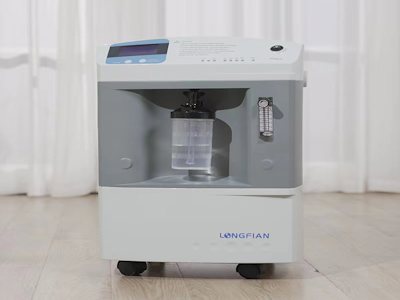
В современном мире медицинские технологии стремительно развиваются, обеспечивая всё более эффективные и доступные решения для поддержания здоровья. Одной из ключевых областей является кислородное оборудование, которое играет жизненно важную роль в лечении респираторных заболеваний, таких как хроническая обструктивная болезнь лёгких (ХОБЛ), астма, или в случаях острой дыхательной недостаточности. Однако, при выборе такого оборудования, многие пользователи и медицинские специалисты часто упускают из виду критически важный аспект – размеры. Именно размеры кислородного оборудования становятся определяющим фактором для удобства использования и, что ещё важнее, для безопасности пациентов. В этой статье мы подробно рассмотрим, почему размеры имеют такое значение, как они влияют на повседневную жизнь, и какие инновации помогают оптимизировать этот параметр.
Кислородное оборудование, от портативных концентраторов до стационарных систем, предназначено для доставки кислорода пациентам с различными степенями дыхательной недостаточности. Его использование может быть как временным, так и пожизненным, что делает комфорт и безопасность приоритетными. Размеры оборудования напрямую влияют на несколько аспектов:
Исторически, кислородное оборудование было громоздким и ограничивающим, но с развитием технологий, производители смогли значительно уменьшить размеры без ущерба для эффективности. Это открыло новые возможности для пациентов, но также потребовало более тщательного подхода к выбору. В следующих разделах мы углубимся в детали, рассмотрев типы оборудования, стандарты размеров, влияние на безопасность и удобство, а также будущие тенденции.
Кислородное оборудование можно разделить на несколько основных категорий, каждая со своими уникальными размерными требованиями. Понимание этих различий поможет сделать informed выбор.
ПКК предназначены для мобильного использования и обычно имеют небольшие размеры, сравнимые с небольшой сумкой или рюкзаком. Средние размеры варьируются от 20x10x15 см до 30x20x20 см, с весом от 2 до 5 кг. Ключевые преимущества:
Однако, слишком маленькие размеры могут compromise ёмкость батареи или производительность, поэтому важен баланс.
Эти устройства designed для домашнего использования и обычно larger, с размерами от 40x30x50 cm до 60x40x70 cm и весом 15-25 kg. Они обеспечивают continuous кислородную терапию и often включают wheels для mobility within home.
Традиционные системы, которые могут быть very large, especially for high-capacity units. Размеры варьируются от small portable баллонов (e.g., 10x50 cm для 1-2 liters) до large stationary цистерн (e.g., 100x50x150 cm для 1000 liters).
Хотя это accessories, их размеры также critical для comfort. Nasal cannulas typically small (e.g., 10-20 cm in length), but improper sizing can cause discomfort or leaks.
Overall, выбор типа equipment зависит от patient's needs, и размеры играют pivotal role в этом decision.
Удобство – это субъективное ощущение, но в контексте медицинского оборудования оно напрямую связано с compliance пациента и overall quality of life. Размеры equipment significantly impact convenience through several mechanisms.
Для пациентов, leading active lifestyles, compact размеры portable концентраторов allow them to maintain independence. Например, smaller devices can be carried during walks, trips, or even to work, reducing the stigma associated with medical equipment. Исследования show that patients using portable oxygen concentrators report higher satisfaction rates due to improved mobility. Conversely, oversized equipment can be cumbersome, leading to reluctance to use it, which jeopardizes treatment outcomes.
Размеры influence how easily equipment can be handled. Devices with ergonomic designs, such as handles or straps sized for average hands, enhance usability. For instance, a concentrator with a well-sized handle reduces strain during transport. Additionally, intuitive controls placed within easy reach (thanks to thoughtful sizing) make operation simpler, especially for elderly users with limited dexterity.
Home oxygen equipment should blend into living spaces without dominating them. Smaller sizes allow for discreet placement, such as under a bed or in a corner, minimizing disruption. This is particularly important for long-term users who spend significant time at home. Aesthetically, compact designs are less intimidating and help normalize the use of medical devices.
Case study: A patient with COPD using a large stationary concentrator might feel confined to one room, whereas a smaller portable model enables movement throughout the house, improving mental well-being.
Air travel regulations often specify size limits for carry-on medical equipment. Portable oxygen concentulators within certain dimensions (e.g., under 22x35x55 cm) are generally approved for use on planes, facilitating travel. Larger devices may require special arrangements or be prohibited, limiting patient freedom.
In summary, optimizing sizes for convenience not only enhances patient experience but also promotes adherence to therapy, which is crucial for effective treatment.
Безопасность – non-negotiable aspect of medical equipment. Improper sizes can introduce various risks, from physical hazards to treatment inefficacies.
Large equipment, if not properly sized for stability, can tip over, especially on uneven surfaces. This is critical for stationary concentrators or oxygen cylinders. Standards often recommend a low center of gravity and wide base dimensions to prevent accidents. For example, a concentrator with dimensions that include a broad base (e.g., 50x50 cm) is less likely to topple than a taller, narrower model.
Equipment that is too large may not fit in intended spaces, leading to improper setup. For instance, an oversized concentrator placed too close to walls can overheat or block ventilation, increasing fire risk. Conversely, devices that are too small might have compromised components, such as inadequate filters or weak structures, which can fail under stress.
During transport, size affects how securely equipment can be fastened. In vehicles, smaller devices are easier to secure with seat belts or mounts, reducing the risk of movement that could cause injury in accidents. Larger equipment may require specialized securing systems, which, if not used, pose dangers.
Compact designs must balance size with safety features. Over-miniaturization can lead to overheating or electrical issues due to cramped components. Regulatory bodies like FDA or CE mark require that sizes do not compromise safety standards, including adequate spacing for heat dissipation.
Real-world example: A recall of a certain portable oxygen concentrator occurred because its small size led to battery overheating incidents. This underscores the need for size optimization that prioritizes safety over mere compactness.
If equipment is poorly sized, it may not deliver oxygen consistently. For instance, a nasal cannula that is too large or too small can cause leaks, reducing the actual oxygen dose received by the patient. This can lead to hypoxemia and other complications, emphasizing that safety includes therapeutic efficacy.
Overall, safety considerations must guide size design, with manufacturers adhering to international standards (e.g., ISO 8359 for oxygen concentrators) that specify dimensional requirements for risk mitigation.
To ensure uniformity and safety, various organizations have established standards governing the dimensions of oxygen equipment. These regulations help manufacturers design products that meet minimum requirements for convenience and safety.
Manufacturers often follow industry best practices, such as designing portable concentrators with dimensions that align with airline carry-on limits. Additionally, consumer feedback drives size adjustments; for example, reducing weight and size based on user complaints about inconvenience.
Patients should look for equipment that meets these standards, as certified devices have undergone testing for size-related safety issues. Certifications like UL (Underwriters Laboratories) also consider dimensional aspects in their evaluations.
By adhering to these standards, the industry ensures that oxygen equipment is both effective and safe, with sizes optimized for real-world use.
Technological advancements have enabled significant reductions in equipment sizes while maintaining or even improving performance. Key innovations include:
Use of lightweight composites and plastics has allowed for smaller, lighter devices without sacrificing durability. For example, carbon fiber components in portable concentrators reduce weight while maintaining structural integrity.
Advances in electronics and compressor technology have shrunk key parts. Smaller, more efficient compressors and batteries enable compact designs that still deliver high oxygen outputs (e.g., up to 3 liters per minute in devices weighing under 3 kg).
Integration of IoT and smart sensors allows for optimized size usage. For instance, devices can now monitor their own performance and adjust settings automatically, reducing the need for larger control panels.
Emerging technologies like nanotechnology promise even smaller devices in the future. Research is ongoing into wearable oxygen equipment that could be as small as a wristwatch, revolutionizing patient convenience.
These innovations demonstrate that size reduction is an ongoing process, driven by both technological progress and patient needs.
For patients and caregivers, selecting the right-sized equipment involves several steps:
By following these guidelines, users can find equipment that balances size, convenience, and safety effectively.
Размеры кислородного оборудования – это не merely техническая деталь, а фундаментальный аспект, определяющий качество жизни пациентов. Как мы explored в этой статье, оптимальные размеры enhance удобство through improved mobility and ergonomics, while simultaneously safeguarding безопасность by preventing accidents and ensuring proper functionality. С continued innovations в technology, future devices will likely become even smaller and more efficient, further empowering patients. Однако, it is crucial that this miniaturization does not compromise safety, and that users make informed choices based on their individual needs. В конечном итоге, понимание важности размеров позволяет сделать кислородную терапию более accessible, comfortable, и safe для всех.
Мы надеемся, что эта статья provided valuable insights и поможет вам в выборе подходящего оборудования. Remember, консультируйтесь с профессионалами и всегда prioritizйте безопасность и удобство.
Предыдущая статья: Уникальный генератор кислорода для здоровья и долголетия
Следующий пост: Кислородный концентратор для экспорта надежность и эффективность